

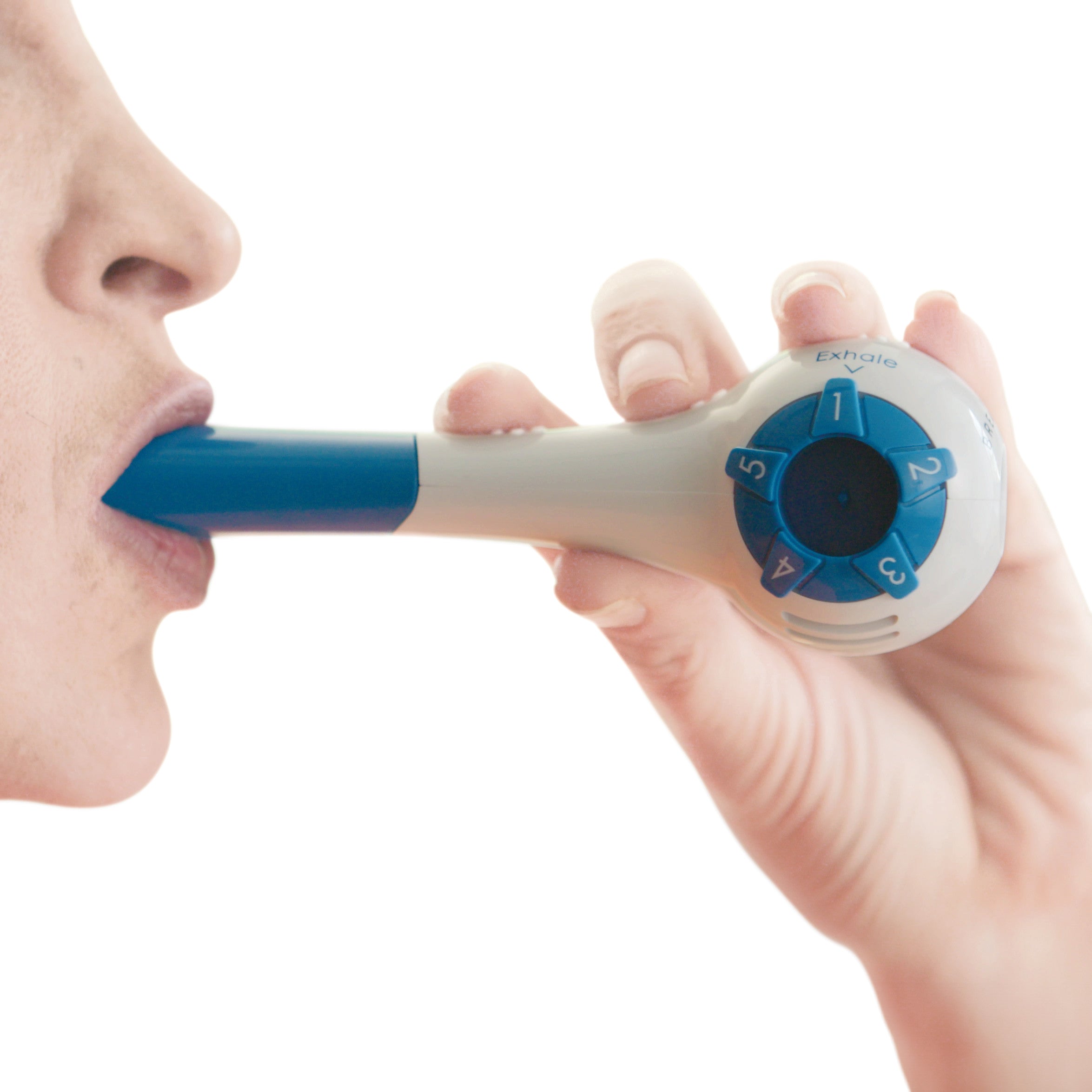
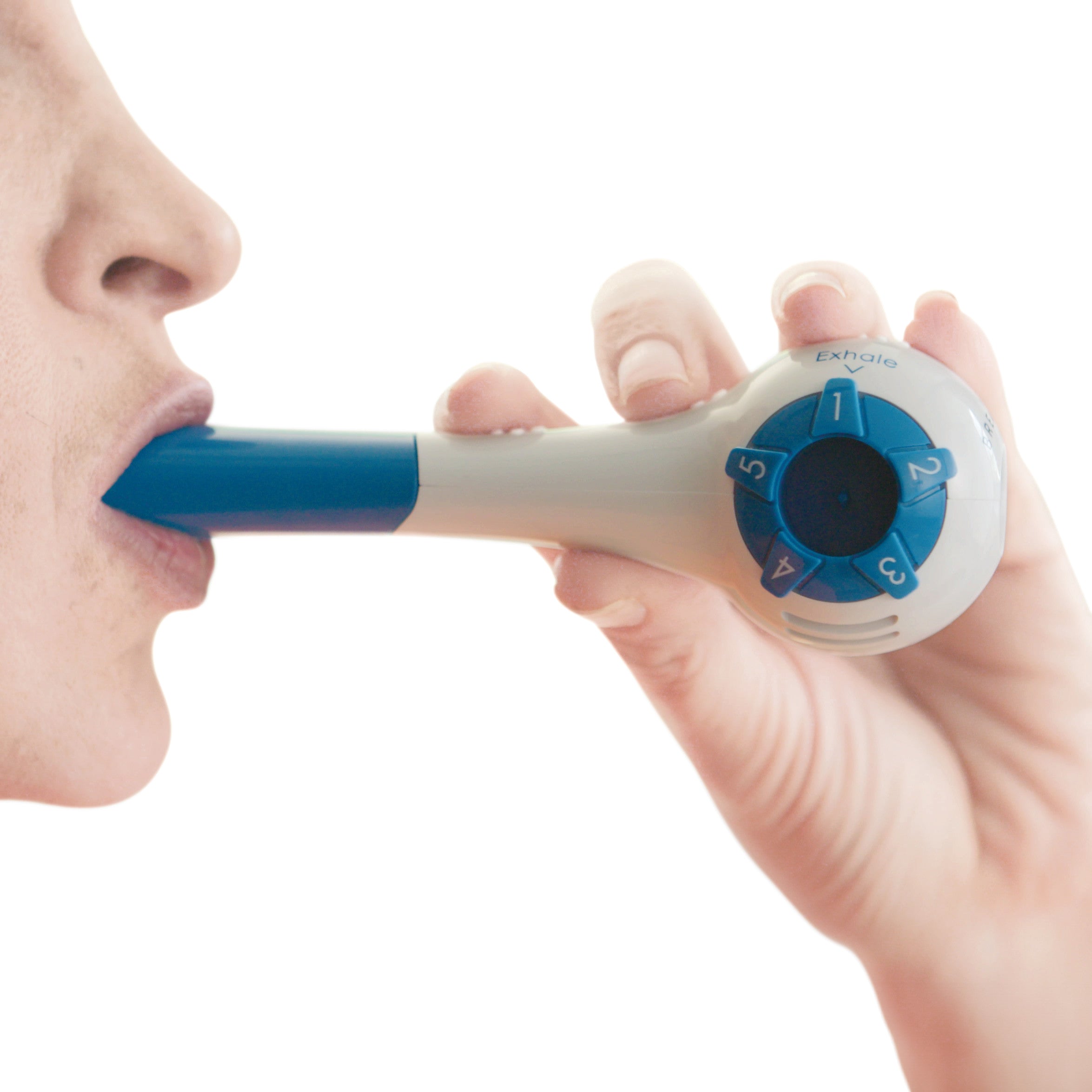
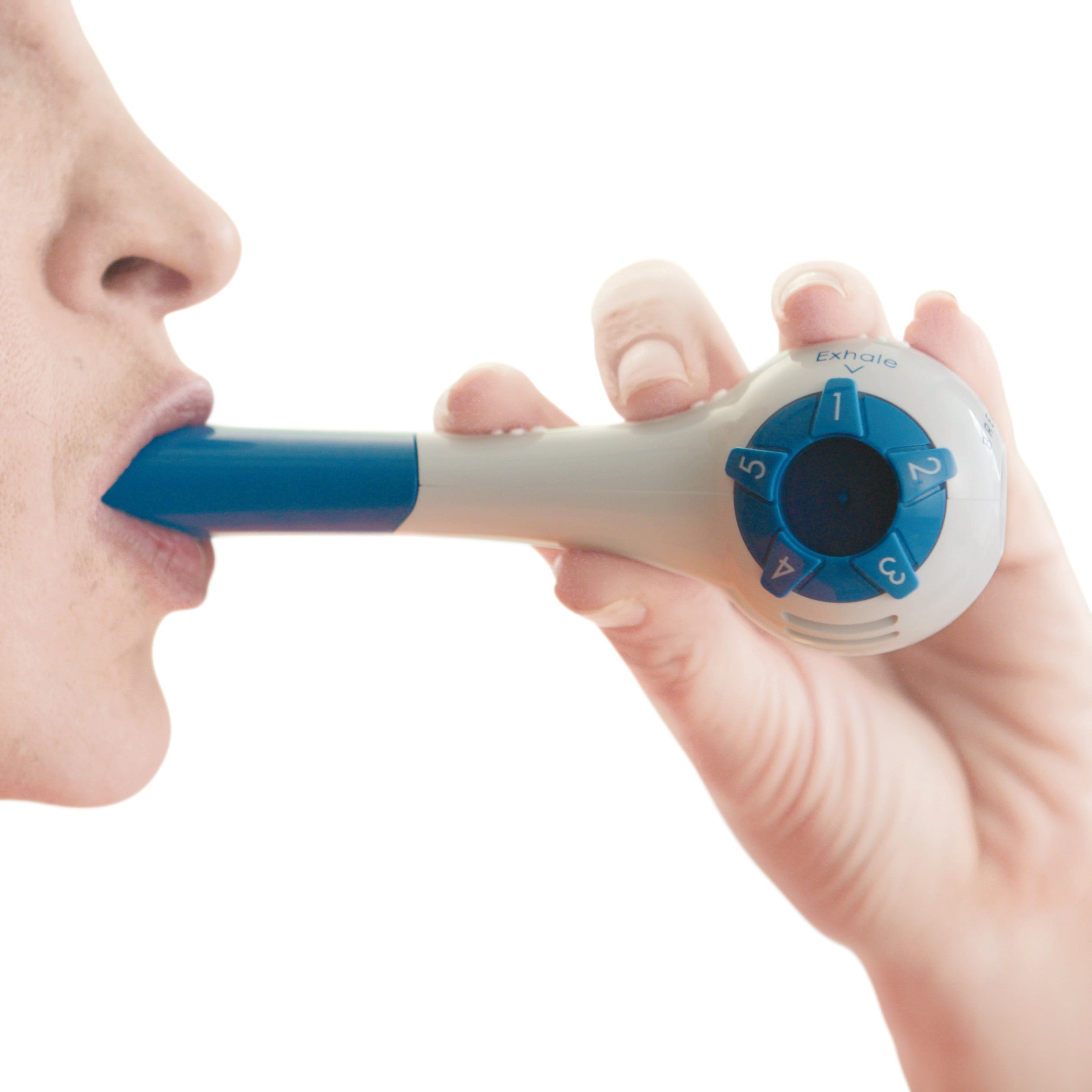


- Strengthens muscles of inhalation and exhalation
- Improves breath support in speech training
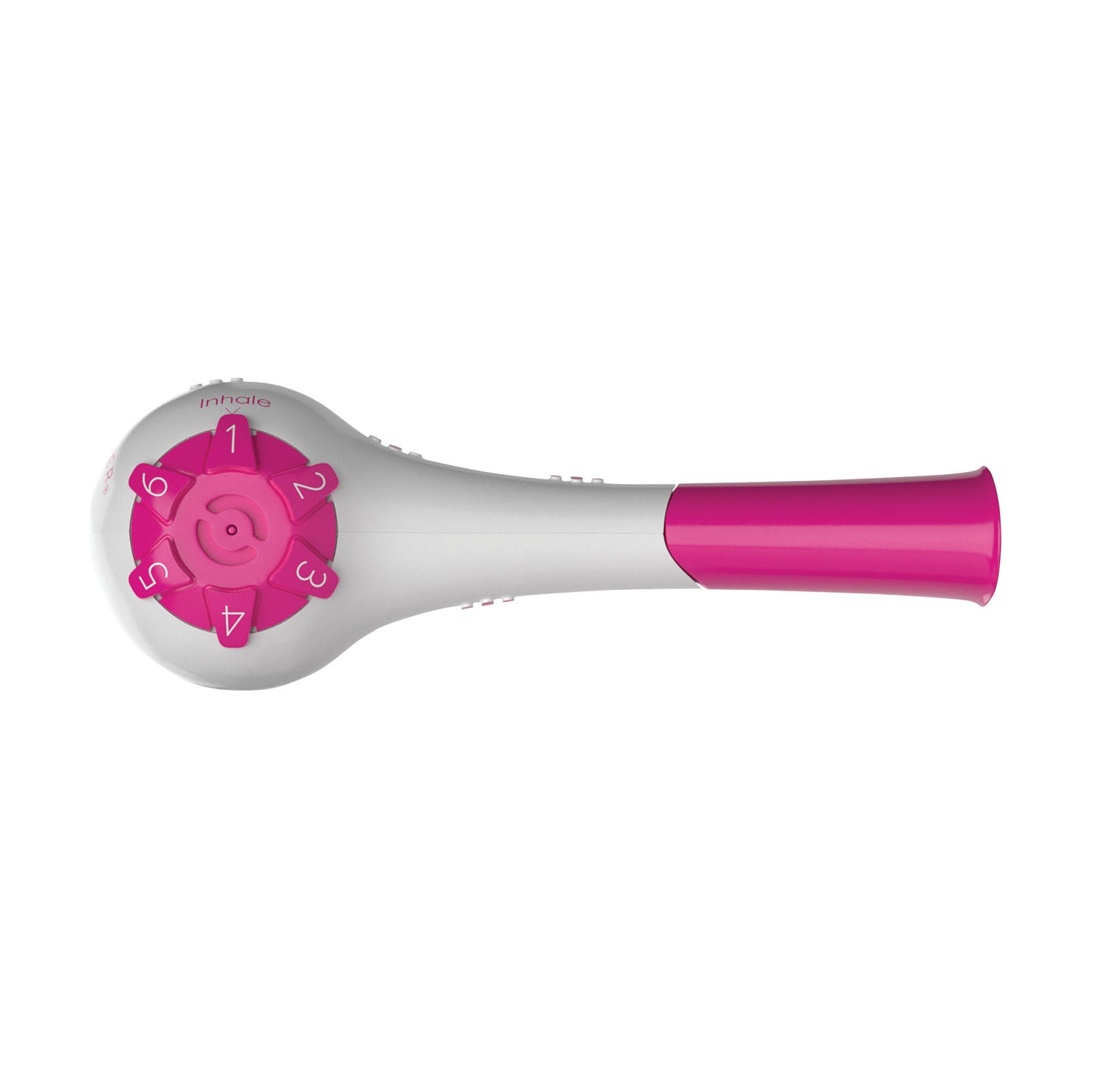
- Enhanced dual-resistance settings for inhalation and exhalation
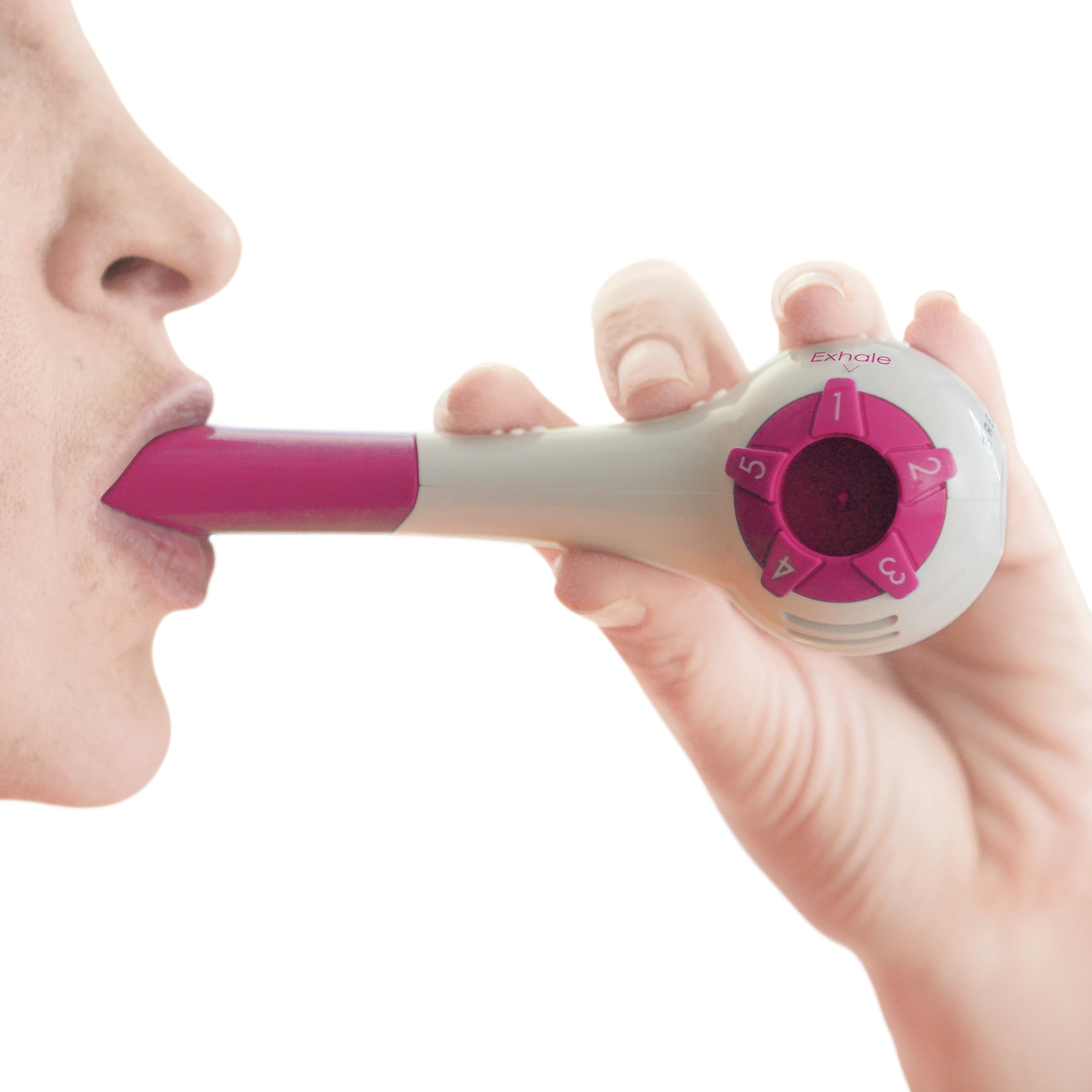
- Available in Blue or Pink


Size Chart
Product Accessories
Also in this Collection
-
AliMed® Color-Coded Therapy Putty
Regular price Starting at $6.25 USDRegular priceUnit price per -
THERABAND® Non-Latex Resistive Exercise Band
Regular price Starting at $74.56 USDRegular priceUnit price per -
AliMed® SupraBall® Chin Tuck Against Resistance
Regular price Starting at $18.00 USDRegular priceUnit price per -
THERABAND® Latex Resistive Exercise Band
Regular price Starting at $24.00 USDRegular priceUnit price per -
CanDo® Non-Latex Exercise Band
Regular price Starting at $26.84 USDRegular priceUnit price per -
AliMed® Therapy Putty Pack Kit
Regular price $101.50 USDRegular priceUnit price per -
AliMed® Color-Coded Cuff Weight
Regular price Starting at $34.75 USDRegular priceUnit price per -
AliMed® T-Foam™ Visco Cube
Regular price $57.00 USDRegular priceUnit price per -
CanDo® Latex Exercise Band
Regular price Starting at $21.42 USDRegular priceUnit price per -
AliMed® T-Foam™ Visco Cube Set
Regular price Starting at $30.25 USDRegular priceUnit price per


Product Highlights
TAA Compliant

 WARNING:
Product Description
THE BREATHER® Respiratory Muscle Trainer (RMT) is effective in rebuilding strength in both inspiratory and expiratory muscles of respiration. THE BREATHER trains diaphragmatic breathing to improve breath support for speech production, swallow safety, productive cough, and helps reduce dyspnea. This unique, ergonomic handheld tool is designed to promote lip seal and provides 11 independently adjustable settings to strengthen both inhalation and exhalation. It can also be used with breathing or speaking valves. Easy to use and clean. Available in Blue or Pink. Sold individually or 50 per case.
Purpose of use: • Improves respiratory muscle strength and endurance • Promotes diaphragmatic breathing • Decreases shortness of breath • Increases MIP and MEP • Activates muscles of the hyolaryngeal complex • Activates labial and buccal muscles • Improves safe swallow function • Improves airflow through vocal folds for speech production • Improves peak cough flow for productive cough • Pre-Op and Post-Op
1-1/8"W x 5-1/16"L x 1-7/8"H • Clean with soap and water
Product Video
Product Documentation
 THE BREATHER® Respiratory Muscle TrainerFrom $68.01 | |
|---|---|
| General | |
Price |
$68.01 |
Brand |
|
Features & Benefits |
|
| Regulatory | |
CE Mark |
|
TAA Compliant |
|
Medical Device |
|
| Item Specifications | |
Color |
|
Quantity |
|